




National Day for Truth and Reconciliation 2026
In 2021, the first National Day for Truth and Reconciliation was recognized on September 30th. The day, which coincides with Orange Shirt Day, honours Residential School Survivors, their families, and communities, and recognizes the lasting impacts of Canada’s Residential School system on Indigenous Peoples across generations. Orange Shirt Day was inspired by the story of Phyllis Webstad, a Northern Secwépemc (Shuswap) woman whose new orange shirt was taken away on her first day at a residential school when she was six years old. Her experience became a powerful symbol of the loss of culture, language, family connections, and identity experienced by thousands of Indigenous children who were forced to attend these institutions. At Marine Atlantic, we recognize that reconciliation is not a single event or a once-a-year conversation. It is an ongoing commitment to learning, listening, and taking meaningful action to foster greater understanding and respect for Indigenous Peoples, cultures, histories, and traditions.
Over the past several years, we have taken important steps to support this journey throughout our organization.
Honouring the lands, waters, and people we serve
Another visible reflection of Marine Atlantic’s commitment to reconciliation is the flying of the Mi’kmaw Grand Council Flag on our properties. The flag recognizes the Mi’kmaq as the original stewards of much of the lands and waters where we operate and serves as a symbol of the enduring presence, resilience, and rights of Indigenous Peoples. The flag is more than a visual gesture; it represents a commitment to learning, relationship building, and respect for Indigenous cultures, histories, and communities.
Understanding whose traditional territory we are on is also an important part of reconciliation. Land acknowledgements shared at meetings, training sessions, public events, and community gatherings provide an opportunity to recognize and honour the Indigenous Peoples who have cared for these lands and waters since time immemorial. While a land acknowledgement is only one step on the reconciliation journey, it helps foster awareness of Indigenous histories, treaty relationships, and our shared responsibility to respect the traditional stewards of the places where we live, work, and travel. Through these practices, we encourage meaningful reflection on our connection to the lands and waters that sustain us and the importance of continuing to build respectful relationships with Indigenous communities.
Creating opportunities for learning
Education plays a vital role in reconciliation. To support ongoing learning, Marine Atlantic has introduced Indigenous Learning Libraries in terminals, offices, and aboard vessels. These collections feature books by Indigenous authors and storytellers, providing opportunities for employees to engage with Indigenous voices, perspectives, and experiences. Employees also have access to a podcast library featuring discussions on Indigenous culture, history, and contemporary issues from across Turtle Island (North America).
In addition to these resources, Marine Atlantic offers a range of reconciliation-focused training opportunities for employees. This includes programs such as The Path: Your Journey Through Indigenous Canada, developed by NVision, which explores Indigenous cultures, histories, relationships, and resilience. Together, these initiatives help foster meaningful dialogue, cultural awareness, and a workplace culture grounded in respect and inclusion.
Celebrating Indigenous cultures and contributions
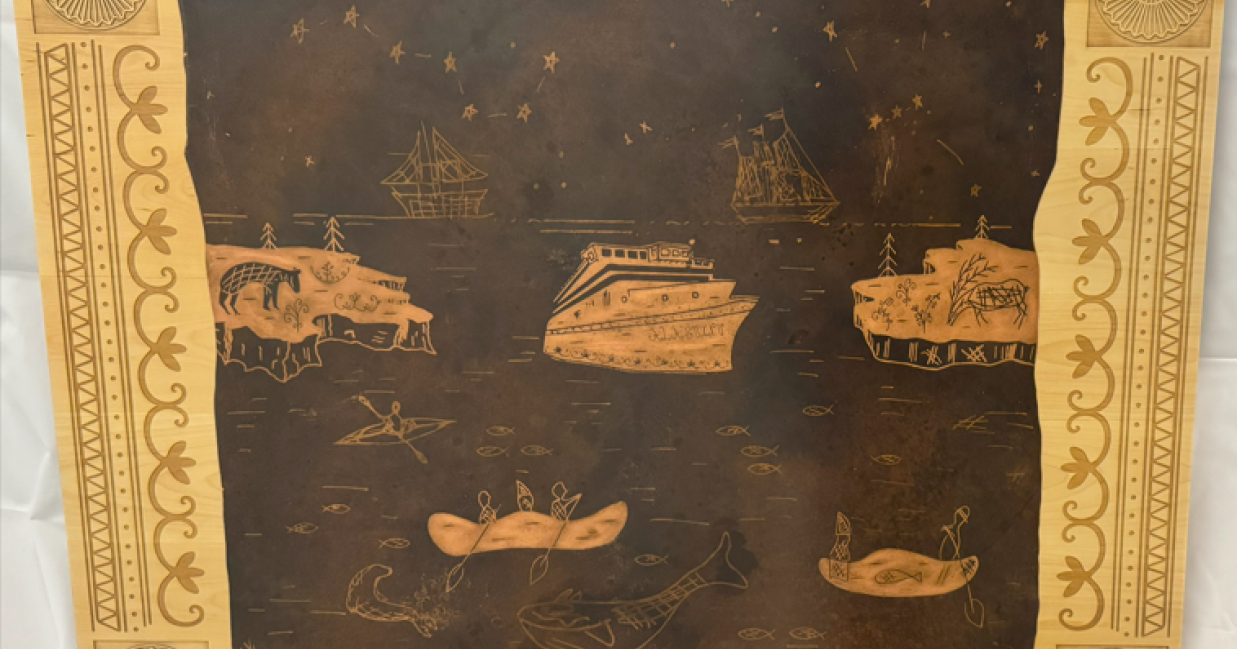
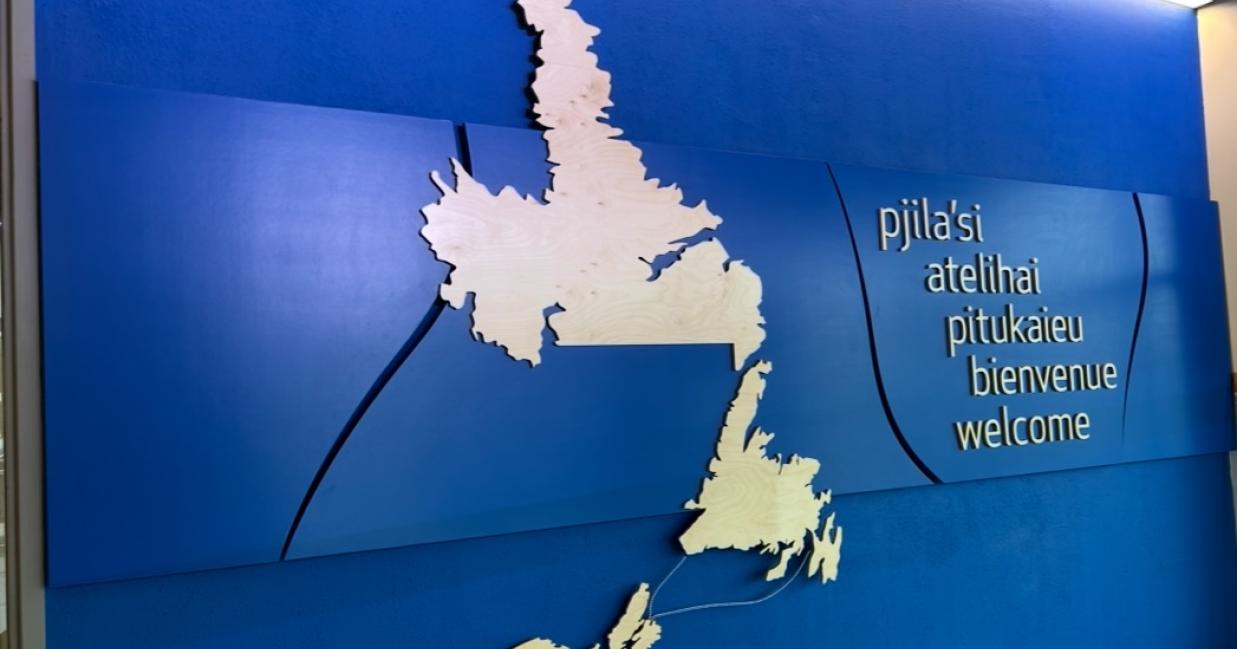
Marine Atlantic is proud to celebrate the vibrancy, resiliency, and contributions of Indigenous Peoples, while providing a space for both our passengers and employees alike to learn. Our vessel, the Ala’suinu, means “traveller” in Mi’kmaw and celebrates our organization’s connection to the Mi’kmaw communities in Newfoundland and Labrador and Nova Scotia. The use of Indigenous language is an important reminder that language carries culture, history, and ways of understanding the world. Indigenous artwork can be found throughout the vessel, incorporating traditional symbolism, motifs, and storytelling that help preserve and share Indigenous knowledge, identity, and perspectives. These works create opportunities for meaningful learning while highlighting the talent of Indigenous artists from Atlantic Canada.
Offboard, Indigenous artwork can be found across our three terminals and administrative buildings. By incorporating Indigenous languages, artistic expression,and cultural symbolism into our spaces, we seek to create visible reminders of the enduring presence of Indigenous Peoples and the shared responsibility we all have in advancing reconciliation.
Supporting employee-led engagement
Reconciliation is strengthened through conversation, collaboration, and shared learning. Marine Atlantic’s Inclusion Circle, an employee resource group focused on equity- deserving groups and allies, plays an active role in supporting awareness initiatives, community engagement, and educational programming related to inclusion and reconciliation. Through these efforts, employees are helping to foster a more inclusive workplace culture while creating opportunities for connection and learning.
Reconciliation at Marine Atlantic is also reflected through employee engagement, cultural learning opportunities, and the incorporation of Indigenous practices into workplace activities. Employees are encouraged to participate in initiatives such as Orange Shirt Day by wearing orange shirts and displaying stickers and pins that promote awareness and reflection. Additional activities have included onboard culinary features for both employees and passengers highlighting Indigenous-inspired meals, the distribution of Orange Shirt Day beaded pin kits, demonstrations by Indigenous youth artisans during the Canada Games Torch Crossing, and the introduction of workplace smudge kits and culturally appropriate ceremonial practices. Together, these initiatives create meaningful opportunities for employees to learn, engage with Indigenous cultures and traditions, and contribute to an environment that supports reconciliation through both awareness and action.
Reflecting, learning, and moving forward together
As we observe National Day for Truth and Reconciliation, we encourage employees, passengers, and members of our communities to take time to learn, reflect, and listen.
While we recognize that reconciliation is a journey with no finish line, we remain committed to creating opportunities for education, amplifying Indigenous voices, and building stronger relationships grounded in respect and understanding.
Today, and every day, we honour the experience of Indigenous Peoples and reaffirm our commitment to continuing the path toward reconciliation.